



Queensland cemented its position as Australia's fastest growing investment destination in 2025/26, lifting its share of national commercial property turnover to 25.4 per cent, up from just 16.9 per cent in 2018/19, with transaction volumes reaching $22.33 billion for the year. While Brisbane continues to anchor much of this activity, the Gold Coast is increasingly standing out as a market in its own right, underpinned by sustained population growth that is lifting demand across every commercial property type.
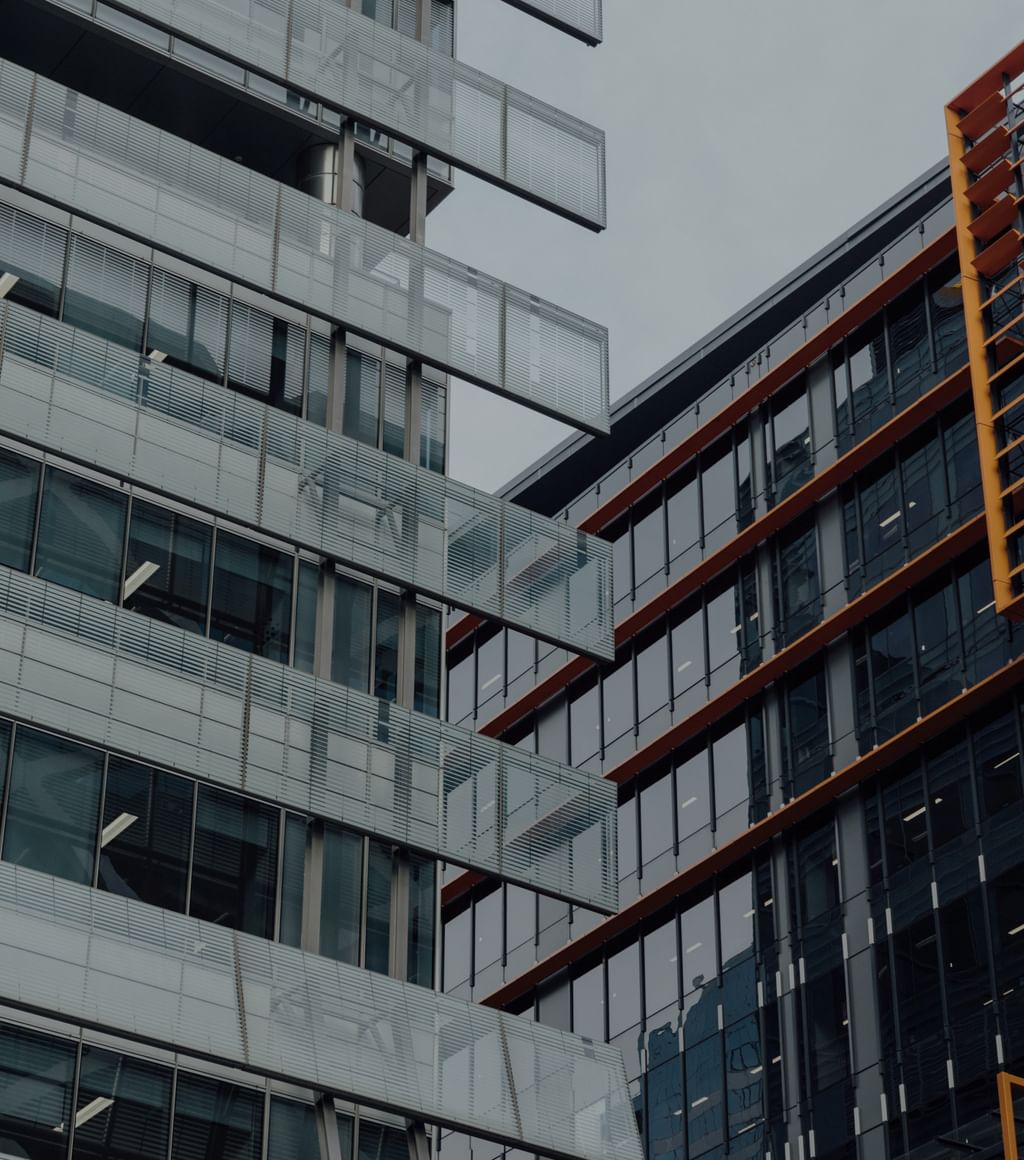
Office vacancy on the Gold Coast remains low at just 7.7 per cent, continuing to outperform most other Australian markets and pointing to genuine scarcity of quality stock rather than a temporary tightening in leasing conditions. Industrial tells a similar story, with owner occupier businesses competing for what limited land remains available, placing sustained upward pressure on values, while investment yields remain competitive against other growth corridors across south east Queensland. High construction costs and constrained industrial land availability are making existing built form product increasingly attractive relative to new development, reinforcing demand for established stock over speculative builds.
Hotels round out the picture as another asset class benefiting from the same population and visitor growth, though this sector plays out differently to the rest of the market. Gold Coast hotel transactions tend to be larger and more institutional in nature, with offshore capital a regular feature of ownership given the scale of investment required. For the private investors and smaller funds who make up the bulk of the buyer pool elsewhere in this market, hotels remain more a market indicator than a direct opportunity, but the sector's strength adds further weight to the Gold Coast growth story.
That private investor appetite may only build from here. The 2026 Budget's tightening of negative gearing on established residential property, alongside less generous capital gains treatment ahead, is prompting some investors who have traditionally built wealth through residential to look more seriously at commercial assets for the first time. Commercial property retains full deductibility of losses against other income and yields continue to average above residential, often with long leases and sticky tenants. In a market already tightly held, any further pivot from residential capital only adds to demand pressure.
Population growth remains the connective thread running through this entire story, lifting demand not just for office and industrial premises but across the full spread of commercial property and drawing private and institutional capital alike to a market increasingly viewed as a genuine growth corridor in its own right rather than an extension of Brisbane's investment story. With limited developable land, elevated construction costs and population growth all pointing in the same direction, the fundamentals supporting Gold Coast values look set to remain firmly in place through 2026/27.
