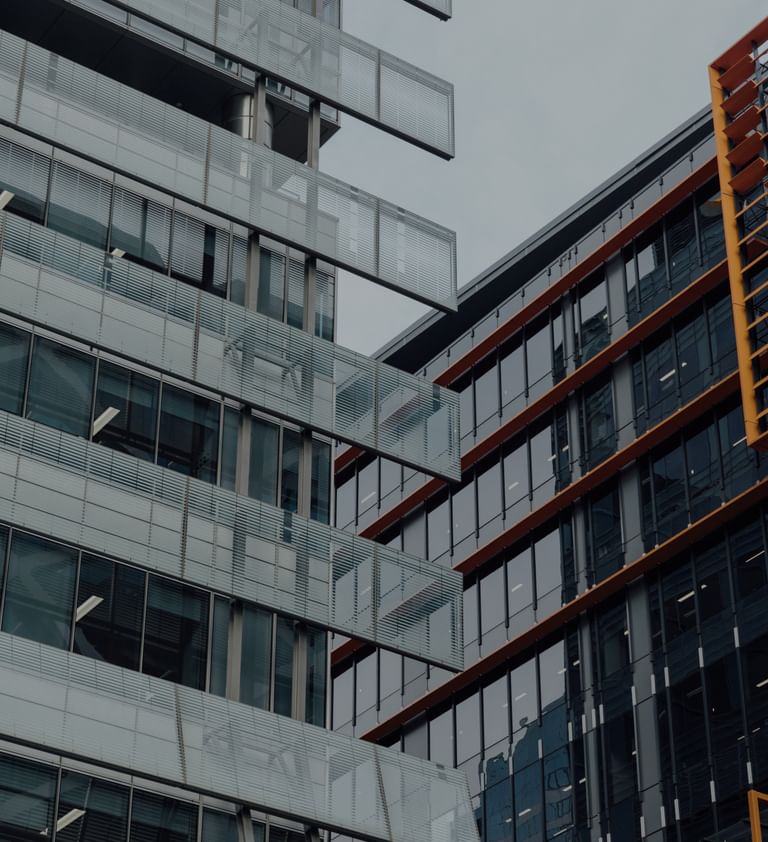
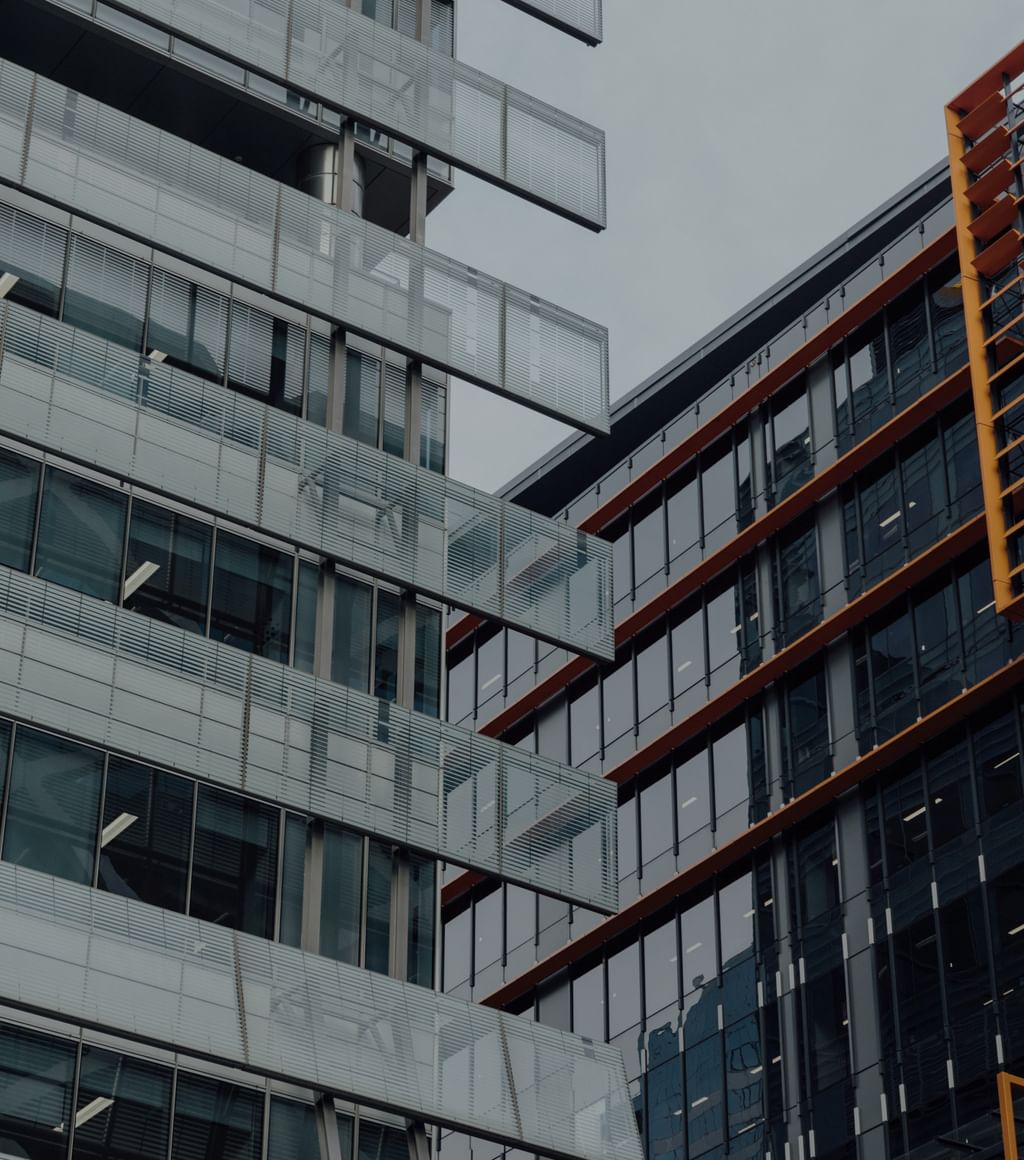


Office is not being left behind in this recovery, though the results vary sharply by location. The sector returned 7.0 per cent overall, with capital growth of 1.3 per cent, and CBD assets outperformed non-CBD stock at 7.4 per cent against 4.5 per cent, with non-CBD capital values falling 1.5 per cent compared to a 1.8 per cent gain for CBD. Brisbane CBD office returned 10.8 per cent, the strongest result of any office market nationally where vacancy has fallen to 10.2 per cent from 11.8 per cent as the supply pipeline thins out. Sydney CBD returned 8.0 per cent with capital growth back to 2.7 per cent, alongside vacancy easing to 13.3 per cent. Perth is showing the same pattern, vacancy down to 15.4 per cent from 16.9 per cent, supported by the state's broader economic strength flowing through to office values. Melbourne CBD remains the outlier among the major markets, returning 5.9 per cent with capital growth flat at 0.1 per cent and vacancy steady at 18.9 per cent. It is non-CBD and fringe locations doing it hardest, North Sydney recorded a capital decline of 5.7 per cent and Parramatta fell 9.6 per cent in capital value, pushing its total return to negative 3.3 per cent, the weakest result recorded.
What links all three sectors is supply. Retail centres, industrial land and prime CBD office towers are all constrained in different ways and capital is following the assets where that scarcity is most acute, retail and industrial first and now increasingly the better positioned office markets as well. This is a departure from the pattern seen through 2023 and 2024, when capital growth was absent across the board and income alone carried total returns. The return of genuine value appreciation, rather than yield compression, suggests underlying fundamentals have shifted rather than simply pricing catching up after a period of correction. For retail and industrial, that means the supply constraints holding back new stock are unlikely to ease quickly, keeping the conditions that have driven this recovery firmly in place. For office, the picture remains more selective, with Brisbane, Sydney and Perth demonstrating what happens when vacancy tightens and supply slows, while Melbourne and the weaker non-CBD markets still have ground to make up before the same dynamic takes effect.
