



Across almost every asset class; office, retail, industrial, alternatives and housing; the pair described a state energised by economic strength, investor attention, and low supply, while still navigating longer due-diligence periods and the realities of development costs.
Ms Rader opened the discussion by noting the shift nationally: “It’s been a big year for capital markets around the country. Volumes have started to tick up again.” With that, she turned to WA specifically: “Let’s unpack what’s happening here because it’s one of the most interesting markets to watch.”
Office: A countercyclical outsider turning into a favourite
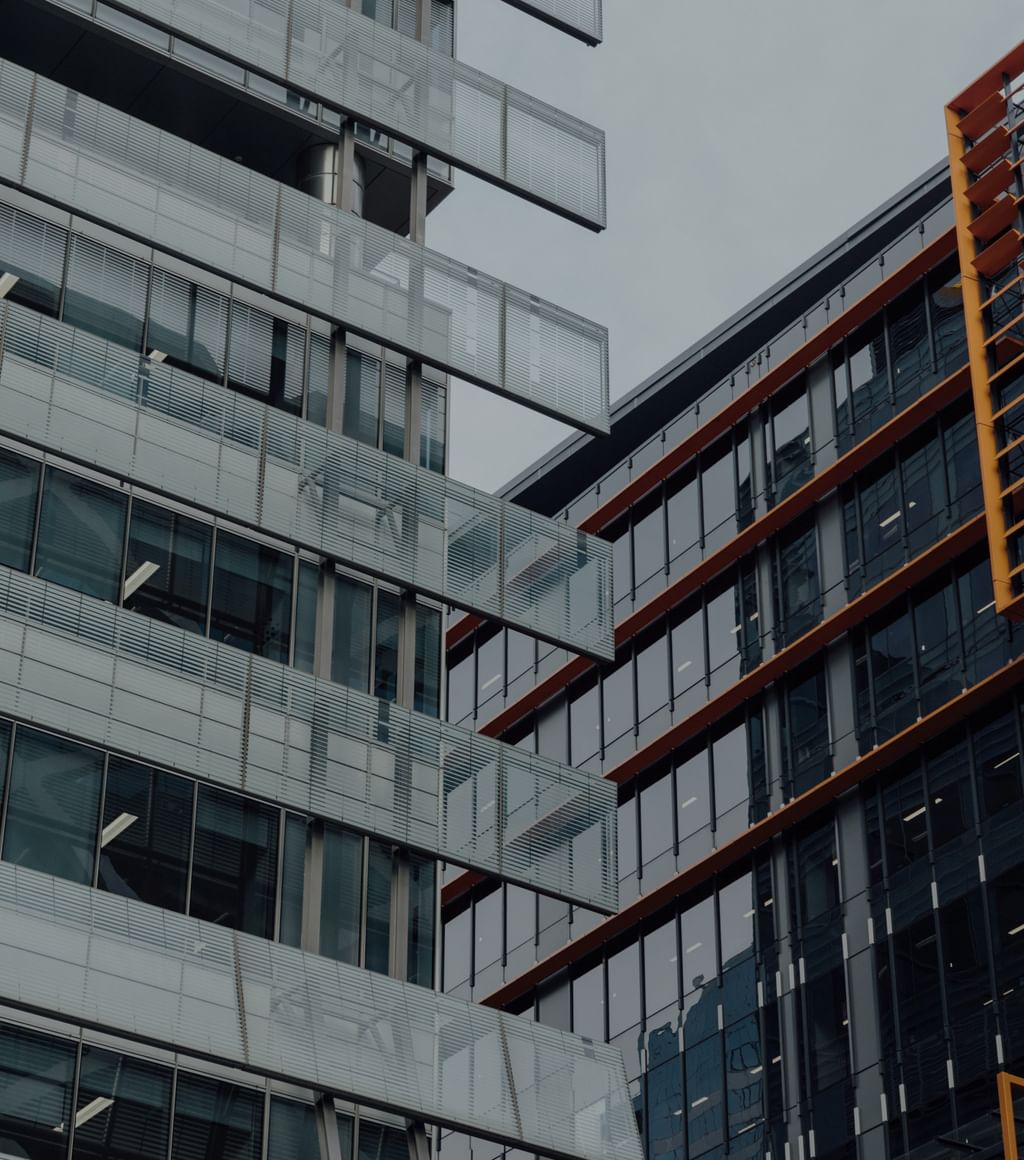
If there was a surprise star of the hour, it was the office market - particularly in the Perth CBD.
Mr Wilkins didn’t mince words: “Offices are the great countercyclical play.” He explained that several funds have recently looked to offload CBD offices as sentiment begins to turn, opening the door for opportunistic capital. “They can see there’s now a market for it,” he said.
Despite this, the road has been bumpy. “There have been some large transactions in Perth in the last month or two that have failed due diligence, mainly valuation and financing,” Mr Wilkins said. Yet this, he suggested, is part of the broader transition phase for the asset class.
International interest is playing a key role. “There is increased and refreshed interest out of Singapore, especially for office - if they can purchase right,” he said.
Ms Rader confirmed this trend is consistent nationwide. “Across the country, due diligence periods are stretching out,” she noted. “WA certainly has a lot of interest from the Asian market, and in Perth you’ve had pretty strong supply coming to market. I think we’ll see net absorption continue robustly.”
Underlying dynamics paint a compelling picture. Several large corporate occupiers are currently in the market for new headquarters, and development feasibility is creating upward pressure on rents. “The economic rents required for any new development are pushing up to $1,000 per square metre,” Mr Wilkins said. “Office rents in Perth can only go one way.”
Despite the sector’s well-documented challenges, he emphasised that “the office market has suffered more than any other asset class - but therein lies the opportunity.”
Ms Rader summarised the sentiment: “For 2026, keep an eye on the Perth office market.”
Retail: The market darling with no signs of slowing
Retail, meanwhile, has stepped unexpectedly into the spotlight. “Retail has come out as the darling of the property market lately,” Ms Rader said. “The requirement for retail just continues, and it covers such a broad spectrum. At the start of the year, we saw some chunky retail assets sell, and neighbourhood centres have performed extremely well.”
Mr Wilkins illustrated just how fierce demand has become. “We just sold the Kinross Shopping Centre on a 6.2 per cent yield,” he said. “We had over 125 enquiries. It sold to a Sydney private investor, and it was his third acquisition in Perth.”
He added that enquiry from the eastern states into Perth’s commercial market “is just getting stronger and stronger.” Many are specifically targeting assets around the $5 million mark, where competition is intense.
Large-format retail - a category investors have been aggressively chasing - remains elusive.
“They’re pretty rare and unique to come across,” Wilkins said. Rader added that WA’s strong residential market only bolsters demand for this format.
Industrial: Still a powerhouse, but sellers are digging in
Australia’s industrial market has been the strongest performer for several years, though momentum is evolving.
Ms Rader explained: “Industrial across the country has been the most exciting asset class. Vacancies did pick up a bit, so that huge rental growth we saw has dissipated slightly.”
The biggest barrier? Land supply. “If you’re trying to find zoned, serviced, suitable land, there’s really not a whole lot of options,” she said. “And with construction costs being what they are, people are really holding on to their industrial assets.”
Mr Wilkins agreed: “Nobody wants to sell their industrial assets at the moment, and why would you?” While yields have come in slightly from peak levels, he said demand is still “super strong- not out of control like it was, but very strong.”
WA’s unique buyer mix is adding momentum. “In Perth, we’ve seen really competitive buying from owner-occupiers wanting to secure their futures,” Ms Rader said. “They’re paying very well, and a lot of east-coast buyers can’t compete with them.”
But Mr Wilkins said the gap between owner-occupier expectations and available supply is widening. “Trying to satisfy some of the owner-occupier expectations can be near impossible. Industrial sales are way down simply because most landlords are saying they’re not selling.”
Economic tailwinds are also boosting confidence. “Most of the mining and mineral sectors are still strong,”Mr Wilkins said. “The rare metal deals being done with the USA are only going to strengthen the economy more. It’s already driving activity.”
Buyers’ agents: A daily presence in the WA market
Buyer activity is relentless in the sub-$5 million space. “Buyers’ agents looking under around $5 million are super strong,” Mr Wilkins said. “Not a day goes by when I don’t have a buyer’s agent asking me what I’ve got.” Ms Rader said this reflects a broader shift: “The buyers’ agent market has really grown, particularly with interstate investors.”
Data centres: WA rising as a new national player
With technology infrastructure accelerating, data centres are fast becoming a meaningful property category. “Melbourne is the undisputed data-centre capital,” Ms Rader said, “but WA could be coming up close with the amount of land available.”
Wilkins has already managed several deals adjacent to the sector. “It’s only going to be a growing market,” he said. But there are constraints: “You still need connectivity to power supplies, so you can’t go too regional.” He added that data centres come with a complexity many investors underestimate: “It’s a whole different area when it comes to security. The government is very particular about who has ownership.”
Alternatives: Drive-throughs, childcare, medical, service stations and storage
The alternatives category has turned into one of the most active and varied parts of the WA market.
Quick-service drive-through
Ms Rader said demand is “super strong,” with Wilkins adding that yields are “unbelievably strong” for well-located sites.
Childcare
Demand remains high, but buyers are becoming more discerning. “Due diligence around childcare is getting more robust,” Ms Rader said. “It used to be about bigger being better - grand constructions with basement parking. But now smaller and mid-size centres are becoming more popular.”
Medical and healthcare
Mr Wilkins said the asset class is “still pretty strong,” though yields have softened. “It comes back to who the underlying tenant is. Some private hospitals have come off in value a little. But there’s still very good demand overall.”
Service stations
Mr Wilkins remains a believer: “I still love service stations as an asset class. Yields are still attractive. Contamination risks are less of a problem now - the tanks and lines are so much better.” He added that updated legislation provides further protection: “State regulations put the responsibility back on the tenants for contamination issues.”
Ms Rader noted that ESG pressures are rising everywhere. “Environmental and sustainability issues are not going away. Brands are much more conscious about this.” Mr Wilkins agreed: “Global companies take these issues very seriously now.”
Self storage and cold storage
Self storage remains a standout performer. “A lot of people are downsizing, moving, yet they still need to store their stuff,” Mr Wilkins said. “The major players are very active.”
Cold storage is also hot but difficult to deliver. “There’s strong demand but low construction activity,” Mr Wilkins said.
Ms Rader added: “Cold storage technology keeps improving, and demand - from fresh food to pharmaceuticals - is only getting higher with population growth.”
Housing: PBSA, boarding houses and unit blocks
Housing and quasi-residential asset classes are thriving. Mr Wilkins said demand for PBSA is surging: “There’s been increased demand due to the new Edith Cowan University campus opening next year. All the universities are planning new projects around PBSA.” Blocks of units are also highly sought-after. “We do a couple of these deals a year,” Mr Wilkins said. “Clients strata them or purchase them for short-stay markets. It can be really lucrative; there’s a whole industry around it now.”
Predictions for 2026
Looking ahead, Mr Wilkins sees continuity rather than disruption. “More of the same,” he said. “The WA economy will be really strong. Minerals and the economy more generally are performing well.”
Construction, however, remains a sticking point. “There’s major concern around building shortages for large high-rise towers,” he said. Despite this, he expects strong residential market growth through 2026.
On office, his conviction was clear: “Once you understand the issues, I’m still a big fan of the Perth CBD office market. The work-from-home issue is not the same in Perth as in cities like Melbourne.” Ms Rader agreed, predicting a genuine CBD office revival.
Mr Wilkins wrapped up with measured optimism: “There aren’t many areas I’m concerned about in the Perth market. 2026 will be a year of good activity. Due diligence periods will be longer, but that’s not necessarily a bad thing - it’s more considered.”
WATCH THE WEBINAR HERE
