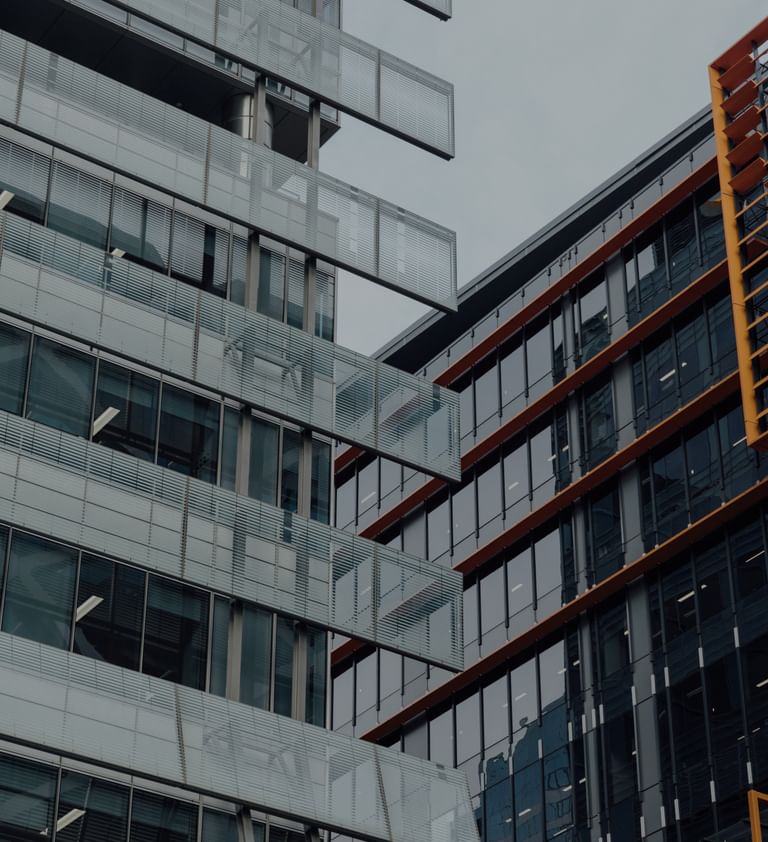

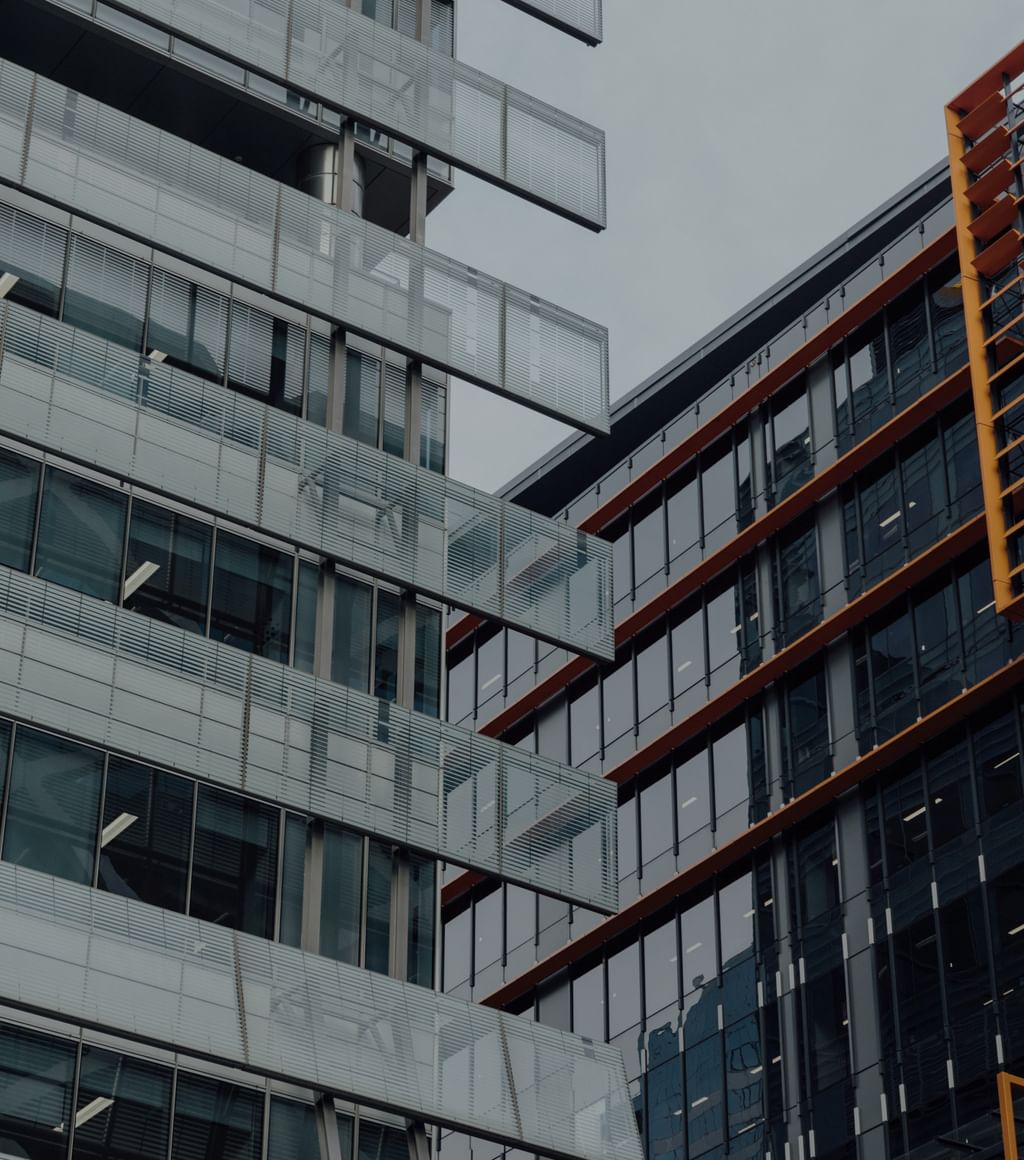



While residential construction continues to dominate with 58 per cent of all cranes nationwide (487 cranes), the commercial landscape shows notable shifts. The commercial office sector has experienced a 13.4 per cent decline with 58 cranes (down from 67), reflecting the broader difficulty experienced across the office sector resulting in increased vacancy levels. Despite this reduction, projects continue in Melbourne's suburban, Cremorne district and Sydney's CBD.
Data centre construction has emerged as a significant growth area, increasing by 16 per cent with four additional cranes, bringing the national total to 29. Victoria leads this sector with the Amazon Fulfilment Centre in Craigieburn, the CDC Brooklyn campus, and the 192 Swan Drive development in Derrimut. Similar projects are underway in New South Wales with the Digital Realty SYD11 facility, Queensland's NEXTDC B3 facility in Brisbane, and Western Australia's NEXTDC P2 data center in Perth. This nationwide expansion positions Australia as an increasingly important regional technology hub which has not gone unnoticed by both domestic and offshore investment groups.
Mixed-use developments however, have shown the strongest growth of any sector, with a net increase of nine cranes bringing the total to 105 nationwide. This trend reflects changing requirements from a planning perspective coupled with developers' strategy to diversify risk by combining multiple asset classes within single developments. The shift toward mixed-use is most prominent in inner and middle-ring suburbs, where land values necessitate higher density and diverse revenue streams.
Geographically we have seen a shift in crane distribution, most notably in Sydney where the western region now hosts 109 cranes compared to inner Sydney's 69 – a pattern only previously seen briefly in 2018. This shift reflects infrastructure investment and continued urban expansion into growth corridors to support population gains.
The education sector saw the most significant percentage reduction, halving from 24 to 12 cranes as major university and school projects reached completion. In contrast, hotel construction increased by 28.6 per cent to nine cranes, including new projects at Bond Street and Wentworth Avenue in Sydney and 28 Signal Terrace in Cockburn, Perth, indicating renewed confidence in tourism and hospitality.
Overall, Australia's construction sector continues to be busy with total construction activity growing by 2.7 per cent in 2024. The non-residential index stands at 307 points, with non-residential projects accounting for 42 per cent of total cranes. This moderate activity, combined with the shift toward data centres, mixed-use developments, and infrastructure projects, suggests the industry is adapting to changing market demands, even as traditional sectors show signs of moderation. Throughout 2025 the continued strength in technology infrastructure and diversified developments is likely to prop up construction activity across major Australian cities, offsetting cooling in traditional commercial and residential markets.
