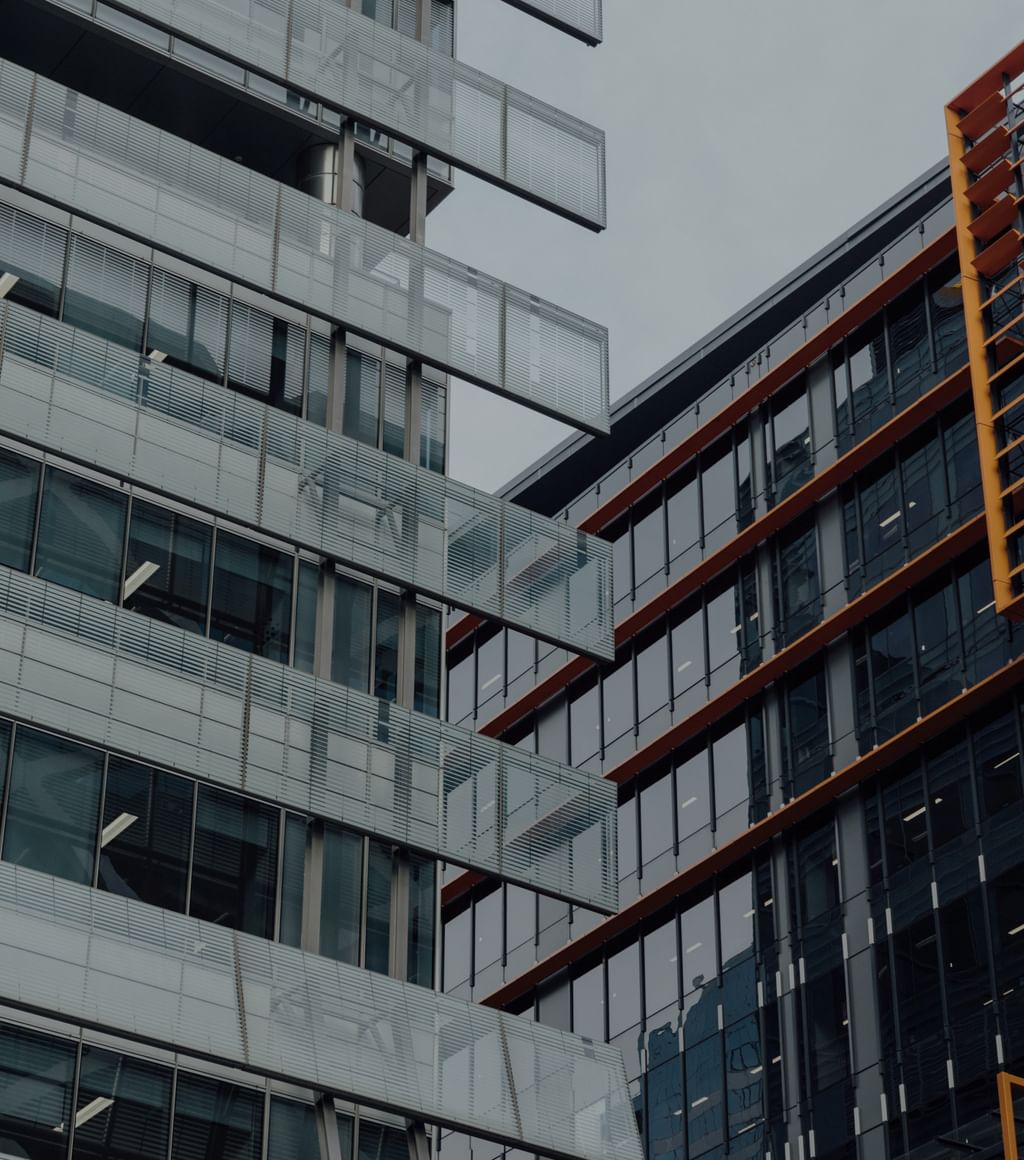
Sydney's CBD retail market faces an unexpected challenge in 2025, with vacancy rates climbing from 5.4 per cent to 6.7 per cent over the past 12 months despite the city maintaining its position as Australia's undisputed luxury retail capital. The increase reflects new retail spaces entering the market on Castlereagh/Market Streets and around Gadigal Station on Park Street together with significant tenant churn as competition intensifies, though the office market's demand recovery despite elevated 13.7 per cent vacancy is beginning to drive improved weekday foot traffic.

The retail-office relationship remains crucial for CBD vibrancy, with returning office workers providing essential weekday spending that supports both traditional retailers and the growing luxury sector. While hybrid work patterns persist, improved office attendance is creating a more stable customer base for CBD retailers, particularly during lunch periods and after-work shopping.

The luxury retail story remains Sydney's standout success, with premium brands now representing 32.1 per cent of all surveyed CBD shops, a remarkable jump from 25.5 per cent in 2024 thanks to brands finally opening doors such as Frank Muller and Missoni. This 6.6 percentage point increase demonstrates Sydney's growing international credentials as a luxury destination rivaling global cities. The expansion has extended beyond traditional Castlereagh and King Street precincts into Market Street, creating new luxury corridors that capitalise on both tourism flows and local affluence.

Sydney's retail character reflects its sophisticated consumer base, with clothing and soft goods dominating at 31.1 per cent of tenancies, while personal goods retailing, notably jewelry, represents 25.8 per cent. This fashion-focused profile contrasts sharply with other capitals that rely heavily on food retailing for activation, positioning Sydney as Australia's true retail destination. However we have seen many brands consolidate their footprints with Country Road closing their landmark QVB corner site and other brands opting for smaller, modern footprints.

The experiential retail phenomenon is reshaping the CBD, with PopMart's collectible stores drawing extensive queues and viral social media attention. These concepts demonstrate how modern luxury retail success depends on creating Instagram-worthy experiences rather than traditional shopping transactions, with visitors often seen recording videos with tripods outside stores.

Tourism recovery strongly supports retail performance, with Sydney leading Australia in hotel occupancy at 79.3 per cent. International visitor flows provide crucial weekend spending that complements weekday office workers, though the CBD's $77.00 daily parking rates reflect continued premium positioning. However, it's worth noting the improved accessibility into the CBD with the added Metro last year key in drawing in local visitors from the North West, this will be further enhanced as South West and West Metro’s complete in the coming years.

The slight increase in retail vacancy this period suggests Sydney's retail market is maturing and becoming more selective. New luxury entrants are commanding premium rents that displace mid-market retailers, while competition for prime locations intensifies as brands seek to establish flagship presences. Furthermore, current disruptions and upgrades to assets across the city is an encouraging sign for the future of the Sydney CBD retail.

Despite cost-of-living pressures, Sydney consumers continue prioritising quality experiences and luxury goods, with "affordable luxury" concepts like premium chocolates and artisanal foods gaining traction. The integration of social media culture with traditional luxury shopping positions Sydney's CBD for continued growth as Australia's premier retail destination, though landlords must navigate increasingly competitive tenant demands and rising expectations for experiential retail environments.

Up next

Perth CBD retail recovery see with vacancy drop and luxury growth
Back to top