



In the current environment, office assets are doing it tough. While office occupancy historically has seen cyclical changes depending on employment, economic prosperity, and supply changes, never has it had to withstand a pandemic and a fundamental shift in behaviours towards working. While working from home has been around for a long time, citrix servers, intranets, Google and other cloud environments show the evolution of this space, making the technology interface at your desk and home often exactly the same. The tight employment market and our prolonged lockdowns has allowed the work from home phenomenon to ramp up quickly and become nearly an expectation by staff, causing employers to reconsider their accommodation needs.
While work-from-home is here to stay, the benefits of being in the office for learning, development, innovation, collaboration, and growth will continue, regardless of staff wants, and those in the office are more likely to thrive and grow their skill set and subsequently be rewarded. The social need cannot be discounted, particularly for those younger workers who perhaps had their university years at a screen, hungry to start and grow their career in a vibrant environment taking advantage of “on the job” learnings along the way. Changes in employment levels similarly will force this change particularly given our growing population which will see office demand come back (albeit slowly) to a more normalised work-from-home level, as businesses once again grow their footprint.

Unfortunately for office owners, a combination of poor take up and increased finance costs has resulted in the capital declines which will be difficult to bear. The latest data from MSCI highlights this significant turnaround in values, with secondary assets likely to feel the greatest pinch. This change in capital returns for lower grade stock is understandable given the flight to quality in the current leasing market. Across the country pressure on incentives upwards has improved the effective rental position for new tenants, encouraging higher quality accommodation options and hopefully growing footprints over the short to medium term.

While total net take up may be negative in the majority of office markets, most have seen positive results for premium and A-grade. B-grade has yielded the most difficult results hampered by backfill issues, followed by C-grade due to continued tenant losses and growing vacancies while the small D-grade market and affordable accommodation remains stable. This raises the question: what do we do with these secondary office buildings?
While many groups speculate on the adaptive reuse of office assets into residential to assist in combating the housing shortage issue, how viable is this really? Unfortunately, there is only a small proportion of secondary office assets which would be a suitable candidate for conversion into the living sectors. Typically these would be C or D-grade assets which offer a small footprint, high ceiling heights, and greater natural light. However, zoning considerations still need to be met and the engineering feat of adding additional services can also be a stumbling block, particularly during this time of high construction costs.
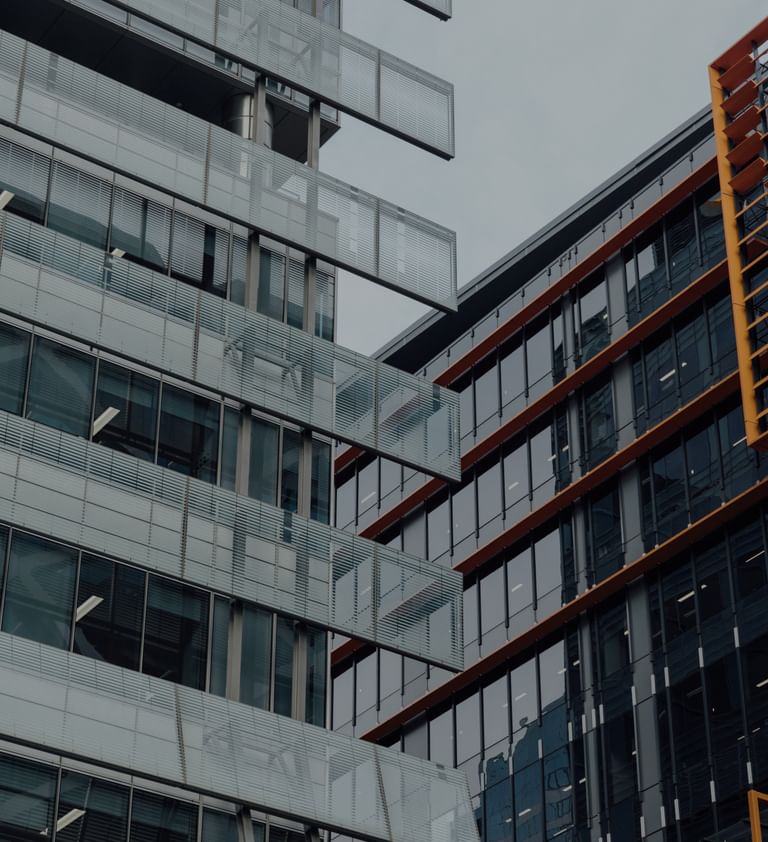
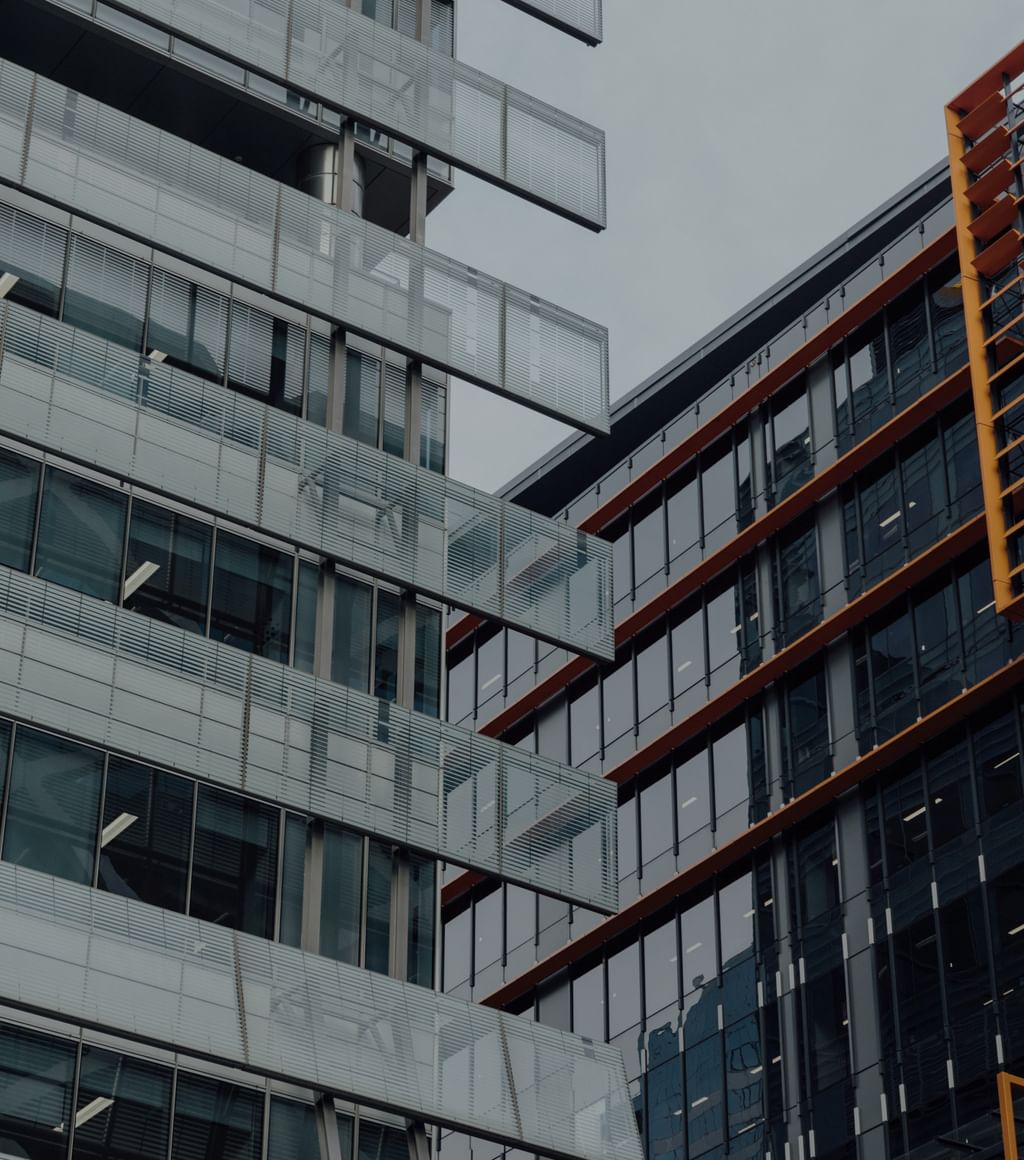
Contrary to popular opinion, the bulk of secondary office space (in particular the poor performing B-grade sector) is unlikely to be suitable for this type of reuse with large floorplates, central cores, low ceiling heights, and lack of light making it an impossibility to convert at a price point acceptable to the end user. Remembering location and accessibility of these possible developments are also key to the end value. While renovation and refurbishment will continue to be a trend, particularly for B-grade assets to move towards an A-grade offering, for many secondary assets the only economical answer could be to knock down and rebuild? A difficult time for this sector of the market is ahead, with tough decisions needing to be made by their owners. An interesting one to watch: across Australia, if all C and D grade assets were withdrawn from the market (circa 3.8 million square metres) and their tenancies were absorbed into higher grade offerings, vacancies would improve from 14.8 per cent to 0.7 per cent.
